How a cruise works: what the fare includes, life on board and what costs extra
A cruise fare normally covers your cabin, meals in the main venues and most entertainment, while drinks, Wi-Fi, gratuities and excursions are usually separate; here is what four lines' own pages say.

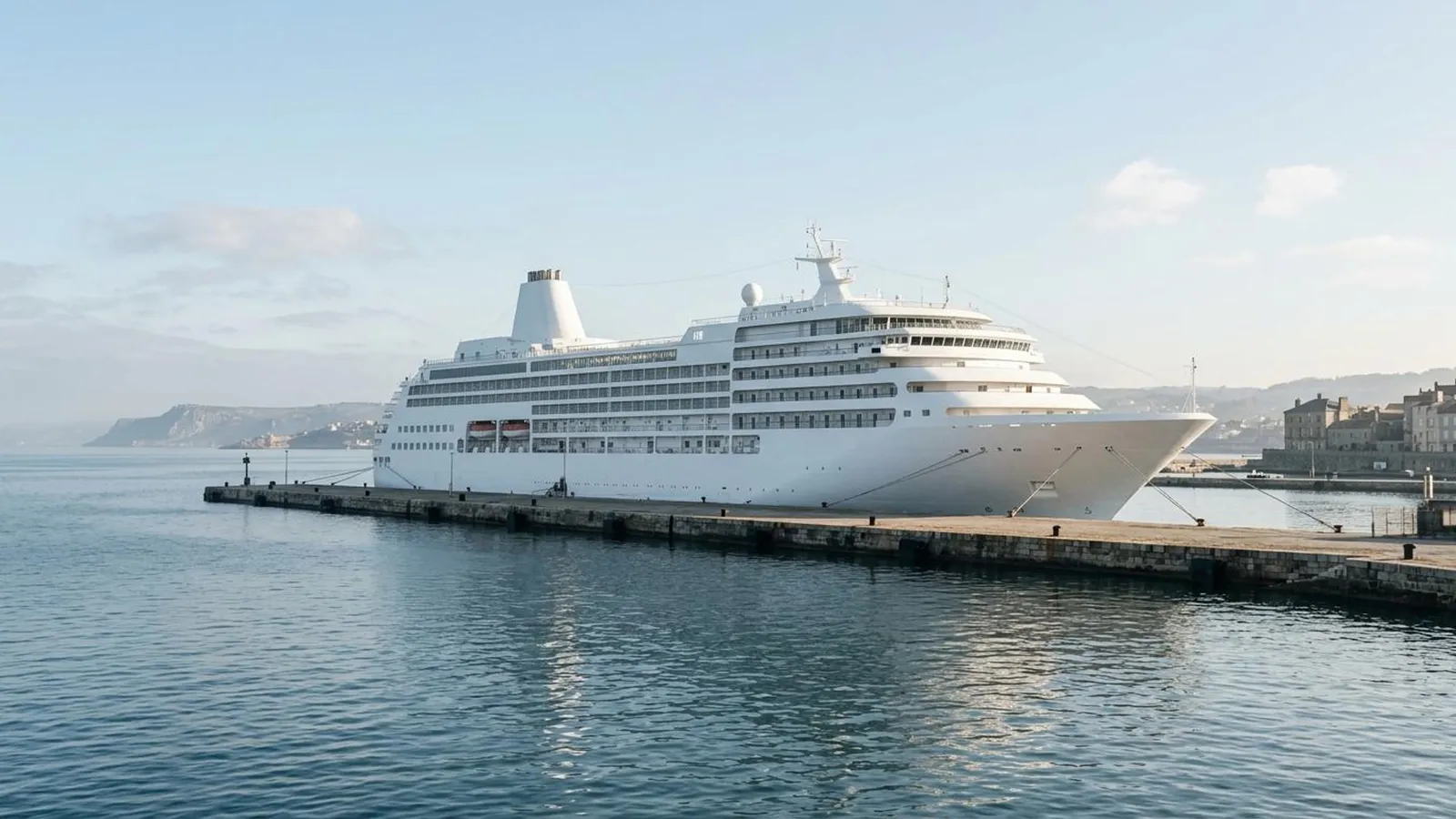
A cruise fare usually pays for three things: a cabin, meals in the ship’s main restaurants and most of the entertainment. Alcohol, specialty restaurants, Wi-Fi, gratuities and shore excursions are usually charged separately, and taxes, fees and port expenses vary by sailing.
This is a plain introduction for someone who has never cruised. It describes what four lines, Royal Caribbean, Carnival, Norwegian and Princess, say on their own US pages, read on November 15, 2026. It gives no prices and isn’t a report of a sailing. Other lines differ, and your own booking’s terms govern.
The words you’ll meet
- Cruise fare: the price of the cruise itself. Each line defines what it covers.
- Embarkation and disembarkation: the day you board, and the day you leave.
- Sea day and port day: a day spent sailing, and a day the ship calls somewhere.
- Gratuities, service charge or crew appreciation: a daily amount for the crew, named differently by each line.
What the fare normally includes
The four lines describe much the same core.
Royal Caribbean says its fare includes a stateroom with daily housekeeping, complimentary dining in several venues including the Main Dining Room and the Windjammer buffet, basic drinks such as water, tea, select juices and classic coffees, pools, a fitness center, a youth program and entertainment. It adds that availability may vary by ship and market (Royal Caribbean, checked November 15, 2026).
Carnival’s ticket contract describes the fare as covering full board and the ship’s ordinary food during the voyage (Carnival ticket contract, checked November 15, 2026). Its help page names the included drinks as non-bottled water, lemonade, unsweetened iced tea, hot chocolate and non-specialty coffee and tea (Carnival help, checked November 15, 2026).
Norwegian lists accommodation, meals in its complimentary dining venues, regular coffee, tea, iced tea, ice water and some juices at the breakfast buffet, most entertainment, pools, fitness facilities and its kids’ and teens’ program (Norwegian, checked November 15, 2026).
Princess’s passage contract defines the fare as the amount paid for the cruise, scheduled meals and accommodations on board (Princess passage contract, checked November 15, 2026).
What usually costs extra
The same pages list what sits outside the fare.
- Alcohol, sodas and specialty coffees. Norwegian and Princess both name these as not included. Carnival’s contract excludes spirits, wine, beer, soft drinks and mineral waters.
- Specialty restaurants. Royal Caribbean lists specialty dining as an optional add-on. Carnival’s contract excludes specialty restaurant dining, and Norwegian excludes meals in its specialty restaurants.
- Wi-Fi. Royal Caribbean lists it as an add-on, and Norwegian lists internet access as not included. Princess includes a Wi-Fi plan in its Plus and Premier packages, which are sold on top of the standard fare (Princess packages, checked November 15, 2026).
- Shore excursions. All four treat these as separate purchases.
Gratuities work differently on each line
All four list gratuities or service charges outside the standard fare. Royal Caribbean, Carnival and Princess describe a daily per-person amount for the crew, plus a percentage added to some onboard purchases such as drinks or specialty dining. The names and the rules differ.
- Royal Caribbean calls them gratuities and says they are optional: the daily amount goes on your onboard account if you haven’t prepaid, and you can adjust or remove it at Guest Relations on board before the morning you leave. It also adds a gratuity to purchases such as drinks, specialty dining and spa services (Royal Caribbean, checked November 15, 2026).
- Carnival calls the daily amount a Gratuity for Team Members, which you can prepay or have added to your onboard account at a recommended daily amount, and adds a separate Service Charge to drinks and paid dining (Carnival, checked November 15, 2026).
- Norwegian lists service charges and gratuities as not included in the fare. The page read doesn’t explain how they are charged, so check Norwegian’s current policy.
- Princess calls it Crew Appreciation, added automatically each day and adjustable on board before you settle your account, with a separate Service Charge on optional purchases (Princess, checked November 15, 2026).
Each page states its current amounts. Add them to your total before comparing offers.
Included, extra, or check your sailing
| Item | What the four lines’ pages say | Treat it as |
|---|---|---|
| Cabin | Part of the fare on all four | Included |
| Meals in the main complimentary venues | Named by Royal Caribbean and Norwegian; Carnival’s contract says full board, and Princess’s says scheduled meals | Included |
| Water, basic coffee and tea | Named as included by Royal Caribbean, Carnival and Norwegian | Included, within the limits each page gives |
| Alcohol and sodas | Outside the fare on the pages read | Extra |
| Specialty restaurants | An add-on or exclusion on Royal Caribbean, Carnival and Norwegian; Princess adds a service charge to specialty dining | Extra |
| Wi-Fi | An add-on on Royal Caribbean, not included on Norwegian, part of a paid package on Princess; the Carnival pages read didn’t say | Extra on those three unless your package covers it; check Carnival |
| Shore excursions | Sold separately | Extra |
| Gratuities or crew appreciation | Outside the standard fare on all four; a daily charge on three unless prepaid or included in a package | Check your sailing |
| Taxes, fees and port expenses | Norwegian lists them outside the fare; Royal Caribbean says they vary by sailing | Check your sailing |
The table summarizes only the pages cited here, and a promotion or package can change a row. On taxes and fees, Royal Caribbean says the amounts vary by sailing and that current pricing on its website includes them (Royal Caribbean, checked November 15, 2026). Look for the total on the final price screen, not the headline fare.
Cabin types in one paragraph
Royal Caribbean names four broad styles, “from Interior and Ocean View to Balcony and Suites,” and says accommodations are part of the fare whatever the category (Royal Caribbean, checked November 15, 2026). In plain terms: an interior cabin has no window, an ocean view has a window, a balcony has private outdoor space, and a suite is larger and often comes with extra benefits. Those are general descriptions; beds, size and occupancy vary by ship and category.
Documents and check-in
All four lines put travel documents on the guest. Royal Caribbean says what you need depends on your citizenship and that guests without required documents may be denied boarding (Royal Caribbean, checked November 15, 2026). Carnival’s ticket contract makes required travel documents the guest’s sole responsibility and says a guest who is ineligible to travel gets no refund. Norwegian strongly recommends a passport for every guest and says photocopies or pictures of documents are not accepted (Norwegian, checked November 15, 2026). Princess says the name on your booking must match your passport (Princess, checked November 15, 2026).
Check-in starts online. Royal Caribbean asks guests to arrive within the time slot chosen during check-in in its app, Princess strongly recommends finishing its app steps before you sail, and Norwegian strongly recommends completing online check-in at least four days ahead. Carnival says online check-in must be finished by midnight Eastern time before the sailing date.
Embarkation day, sea days and port days
Embarkation day. You arrive at the terminal, show your documents and boarding pass, and board. Royal Caribbean says guests who arrive early can’t start boarding (Royal Caribbean, checked November 15, 2026). Norwegian says luggage can take a few hours to reach your cabin, so pack a small carry-on, and asks you to visit your assigned muster station, the safety assembly point printed on your key card, (Norwegian, checked November 15, 2026).
Each line sets a cutoff after which you can’t sail. Norwegian’s is one hour before the departure time on your cruise documents. Carnival’s is the Final Boarding time on your boarding pass. Royal Caribbean says guests must be checked in and on board no later than 90 minutes before port operations close, a time that varies by port.
Sea days. The ship sails all day and you use its venues, included and paid.
Port days. The ship calls somewhere and you can go ashore on your own or on an excursion. You must be back before the ship leaves: Norwegian says no later than one hour before the scheduled departure, on the ship’s clock, and that guests who miss the ship pay to rejoin it (Norwegian, checked November 15, 2026).
Common first-timer mistakes
These are editorial observations drawn from the terms above.
- Comparing headline fares that differ in taxes, gratuities and what’s bundled.
- Assuming drinks or Wi-Fi are included.
- Leaving documents late.
- Arriving with no margin before the boarding cutoff.
- Reading scheduled port hours as time ashore.
Where to go next
- Choosing a first sailing: Travel Tutor’s first cruise guide.
- Comparing offers: comparing cruise quotes.
- Drinks and Wi-Fi bundles: package or basic fare.
- Cabins: checking the bed layout and assigned cabin or guarantee.
- Money and dates: deposits and final payment.
- Port days: port time versus time ashore.
- Getting to the ship: arriving the day before or on the day.
- Where to book: direct or through a travel agent.
- Line guides: Royal Caribbean and Celebrity.
Common questions
Is a cruise all-inclusive?
Not on the standard fares read here. The lines’ pages list alcohol, specialty dining, Wi-Fi, excursions and gratuities outside the fare.
Are gratuities compulsory?
It depends on the line. Royal Caribbean describes its gratuities as optional, and Princess says guests can adjust Crew Appreciation on board.
Do I need a passport?
It depends on your citizenship and itinerary. Norwegian recommends one for every guest. Check your line’s document page for your sailing.
Sources checked November 15, 2026: Royal Caribbean’s FAQ pages on fare inclusions, gratuities, taxes and fees, travel documents and port arrival, and its inclusions guide; Carnival’s ticket contract, help page and gratuities page; Norwegian’s fare-inclusions and boarding-times FAQs and its travel-documents and departure-day pages; Princess’s passage contract, crew appreciation policy, pre-cruise FAQ and packages page.