Porto by cruise ship: the Leixões terminals and getting into the city
Cruise ships calling at Porto use the Port of Leixões in Matosinhos, where the port authority lists two cruise terminals; here is what its pages say about each, the metro, bus and taxi links it names, and what to check before going ashore on your own.

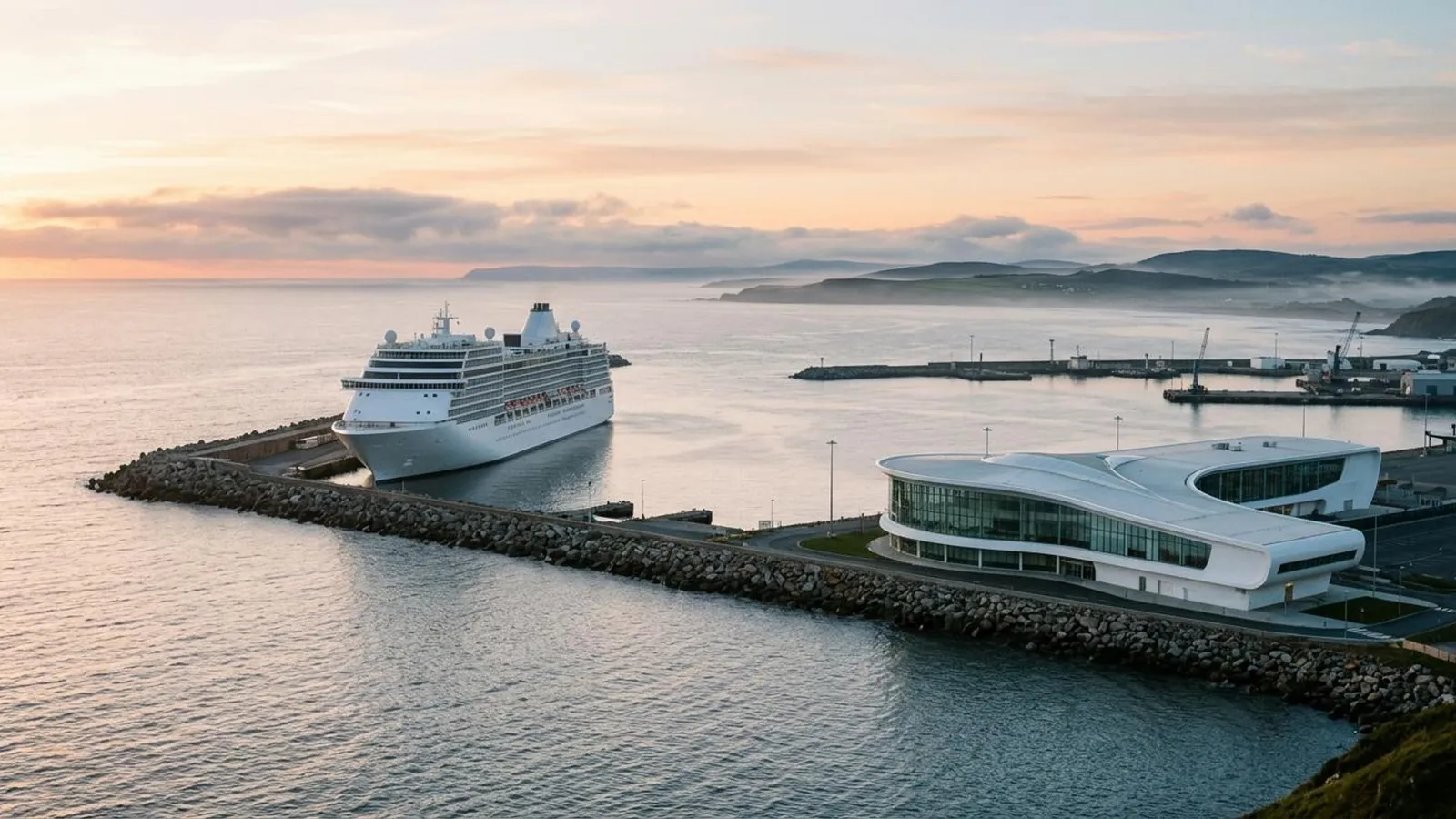
A cruise that lists Porto doesn’t berth in the middle of the city. Ships use the Port of Leixões, in the city of Matosinhos. The port authority, APDL (Administração dos Portos do Douro, Leixões e Viana do Castelo), runs the port and lists two cruise terminals there. Which one your ship uses, and how you plan to cover the distance into Porto, shape the day.
This guide is reported from APDL’s own cruise pages and the official pages of Metro do Porto, STCP, the Matosinhos council and Visit Porto, all linked below and read on November 16, 2026. It isn’t a first-hand account and it doesn’t rate the terminals or the transport.
The two cruise terminals APDL lists
APDL’s cruise section names a Porto Cruise Terminal and a North Cruise Terminal. Its pages describe them like this:
| Porto Cruise Terminal | North Cruise Terminal | |
|---|---|---|
| Where APDL places it | On the South Mole of the Port of Leixões, in Matosinhos | Dock 1 North, in Leça da Palmeira |
| Quay | 340 m long, depth 10 m | 300 m long, depth 10 m |
| Maximum ship length | 300 m, or 320 m on request | 240 m in the characteristics list; the introduction says up to 250 m |
| Turnaround passengers | Capacity for 2,500 embarking and disembarking | About 750 |
| Transit passengers | No capacity limit | No capacity limit |
| Transport the page names | Metro Line A, STCP buses outside the harbor, taxis | Metro Line A, STCP buses outside the harbor, taxis |
Sources: APDL’s pages for the Porto Cruise Terminal and the North Cruise Terminal, checked November 16, 2026.
APDL’s pages don’t say which ships or lines use which terminal. Treat the table as a description of the facilities, not a berth assignment.
The Porto Cruise Terminal on the South Mole
APDL’s building page describes the main building as housing the cruise passenger reception terminal along with rooms for events, exhibitions, shows and visits, and a University of Porto marine research center (CIIMAR) on its second floor. The terminal page says the 340-meter pier opened in April 2011 and the terminal itself in 2015.
For passengers and crew, the terminal page lists free Wi-Fi, an information and reception desk with guides in English, French and Spanish, tourist maps, currency exchange, a shop and restrooms. It also mentions a river and sea pier where boats for tourist trips on the Douro can moor.
On distance, the same page describes the terminal as about 3 kilometers from the city of Porto and 10 kilometers from Porto’s international airport. It doesn’t say where in Porto that distance is measured to, and it gives no walking route or time. The historic center that Visit Porto describes, which it says was declared a UNESCO World Heritage site in 1996, is in Porto itself, so plan how you’ll reach it from the terminal (Visit Porto, the city, checked November 16, 2026).
The North Cruise Terminal at Leça da Palmeira
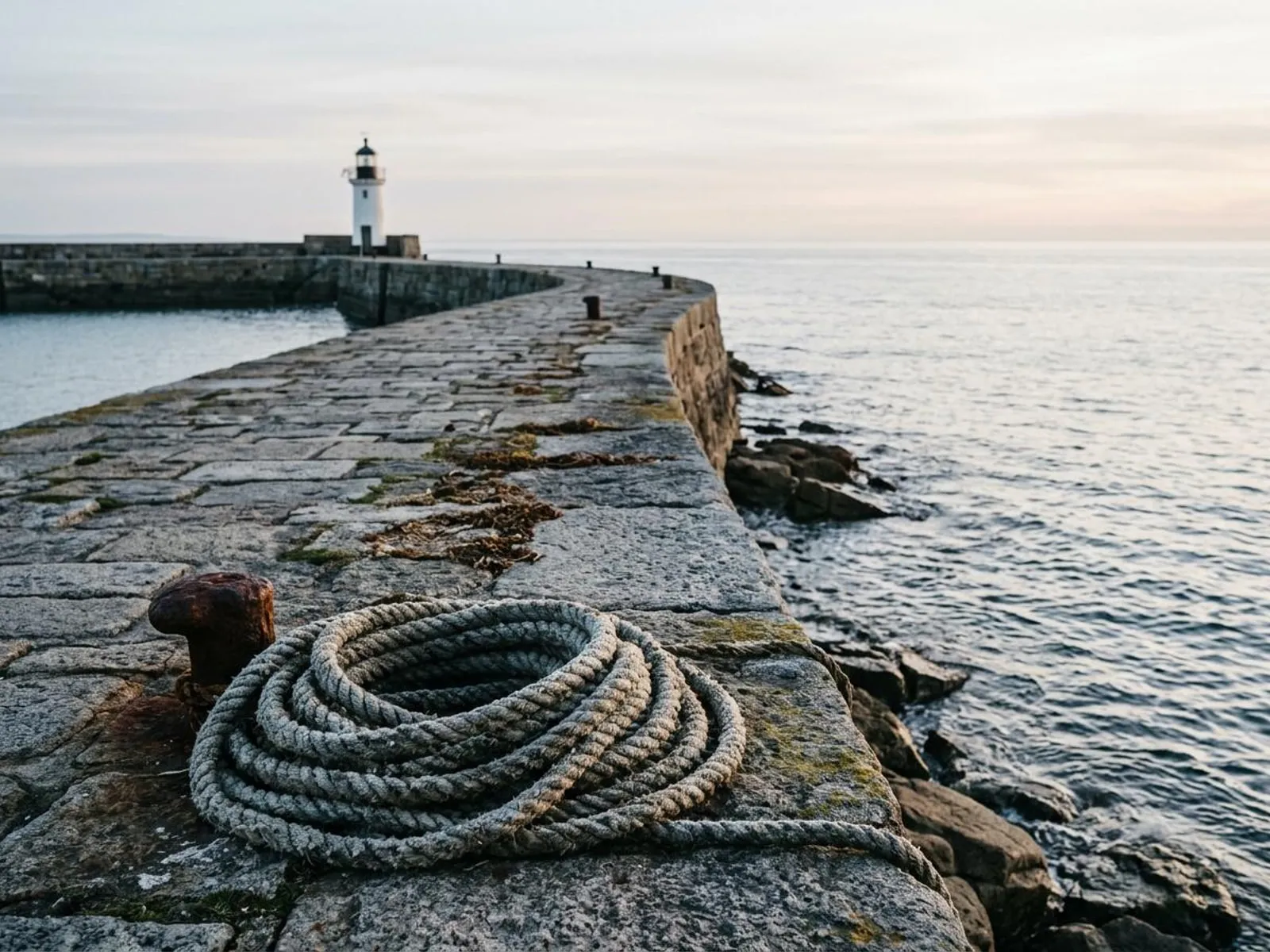
APDL describes the North Cruise Terminal as a wooden building that resembles a ship’s hull, formally opened in April 1961 and designed by Francisco Figueiredo and Fernando Távora. It lists the same passenger services as the main terminal. Its “location and access” section, when read on November 16, 2026, held placeholder text rather than directions, so this guide can’t report how APDL describes reaching it. If your ship is assigned here, ask the cruise line for directions from the berth to the nearest transit.
Getting into Porto: metro, bus and taxi
Both terminal pages name three ways into the city. Check each with its operator, because the terminal pages don’t give fares, frequencies or walking times to stops.
Metro. APDL names Metro do Porto Line A, which runs between Senhor de Matosinhos and Estádio do Dragão, as the link to the city center. Metro do Porto’s own site lists the same termini for Line A and offers a journey planner, a network map and timetable and fare pages (checked November 16, 2026). APDL doesn’t name the station closest to either terminal, so use the planner from your berth to the stop for the place you want to reach.
Bus. APDL says STCP buses stop outside the harbor. STCP’s site, read on November 16, 2026, lists several lines that serve Matosinhos and has a trip planner, a real-time map and a service-changes page. It didn’t name Leça da Palmeira or Leixões on the home page, so confirm the stop and line in the planner.
Taxi. APDL says taxis wait outside the port and are allowed to enter the terminal. This guide doesn’t quote a fare; ask how it will be charged before setting off.
Tourist information in Matosinhos
The Matosinhos council’s tourist office page describes an office the council set up for tourists, in particular those arriving at the passenger terminal, plus a second office in Leça da Palmeira (checked November 16, 2026). Opening hours weren’t shown on the pages read; check them before relying on either office.
A Douro river cruise is a different trip
The Douro is also a cruising river, but a river cruise is a separate product from an ocean-ship call at Leixões. APDL manages the Douro Navigable Waterway, which it describes as 208 kilometers long, running from the Douro bar to the cross-border site of Barca d’Alva and Vega Terrón, with five locks and five reservoirs (checked November 16, 2026). A multi-day river itinerary is its own trip; check with a river-cruise company rather than assuming it can be added to an ocean cruise.
If the river valley is the draw, the rail line along it is covered by Railway Reviews’ guide to Douro line trains and the Douro Historical Train. That is a full-day idea for a pre- or post-cruise stay, not a port call.
Before you go ashore independently
APDL publishes a cruise planning feed of vessel calls. It didn’t load in a readable form for this guide, so check it yourself for your date and see whether a berth is shown. Then work through these checks:
- Ask the cruise line which terminal is planned, and check again close to the day.
- Note the all-aboard time, not just the scheduled departure.
- Plan the route there and back on Metro do Porto’s or STCP’s planner, and check their service notices for the day.
The guide to scheduled port time versus usable time ashore shows how to subtract travel and your own margin from the hours in port.
If your cruise starts or ends at Leixões
APDL’s Porto Cruise Terminal page gives a turnaround capacity, so some sailings begin or end here. Your cruise documents set the check-in time and terminal. Whether to fly in on embarkation day is covered in arrival-day risk and a pre-cruise overnight, and the last morning in a flight after disembarkation. For a rail connection to or from Lisbon, Railway Reviews covers Lisbon’s stations and the trains to Porto.
Related guides across Accel Media: Porto Airport to the city: choose the arrival route before the first night on Airline Ace, Porto hotel location: hills, stations and the river on Hotel Hacker and Lisbon and Porto: one base or a two-city Portugal trip? on Travel Tutor.
First-hand note
No first-hand note yet. This guide is reported from the official sources linked above.
Planning the day in Porto
For ideas ashore, see the Porto page on Bucketlist Experiences. Two of its guides fit a day in port: reading the tile panels at São Bento station, and Serralves’ Treetop Walk and park. Check each one’s opening days and its distance from your terminal against your all-aboard time.
If you’re staying on, RESTED covers whether Porto suits a longer stay.
Common questions
Where do cruise ships dock for Porto?
At the Port of Leixões in Matosinhos. APDL lists the Porto Cruise Terminal on the South Mole and the North Cruise Terminal at Dock 1 North in Leça da Palmeira.
How far is the cruise terminal from Porto?
APDL describes the Porto Cruise Terminal as about 3 kilometers from the city of Porto, without saying where in the city that is measured to. Map the route from your berth to the place you want to reach.
Is there a metro from the cruise terminal?
APDL names Metro do Porto Line A, between Senhor de Matosinhos and Estádio do Dragão, as the link to the city center. It doesn’t name the nearest station, so check Metro do Porto’s journey planner.
Sources checked November 16, 2026: APDL’s cruise, building, Porto Cruise Terminal and North Cruise Terminal pages, its vessel-calls feed and its Douro Navigable Waterway page; Metro do Porto’s home page; STCP’s home page; the Matosinhos council’s tourist office page; Visit Porto’s city page. Berths, services and transit change; confirm the details for your own sailing.