Lisbon cruise port: the terminals, getting into the city and embarking there
Lisbon's port operator lists a main cruise terminal at Jardim do Tabaco and a secondary one at Santa Apolónia, and the port authority lists a third for peak days; here is what their pages say about each, the transit beside them and how to confirm your berth.

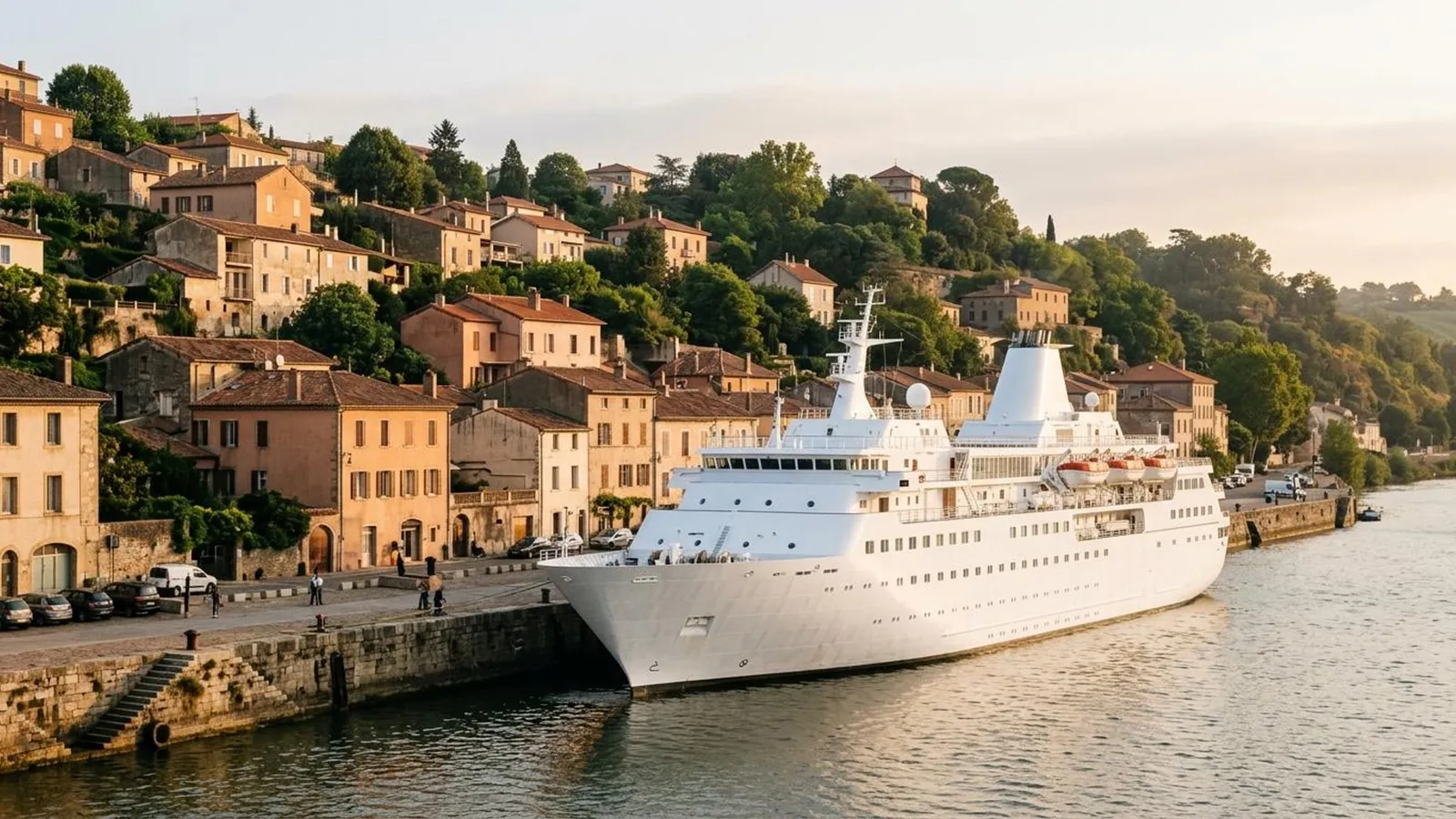
Cruise ships in Lisbon berth along the north bank of the Tagus, and the two official bodies describe the terminals slightly differently. Lisbon Cruise Port, the terminal operator, describes two. The Port of Lisbon, the port authority, lists three. Which one your ship uses decides how you get into the city, and where you report if your cruise begins in Lisbon.
This guide is reported from the operator’s and the port authority’s own pages, linked below and read on November 15, 2026. It isn’t a first-hand account and it doesn’t rate the terminals. It doesn’t say which cruise line uses which terminal, because neither source showed that when checked.
The terminals the official pages list
| Terminal | Listed by | What the page says about its use | Transit the page names |
|---|---|---|---|
| Lisbon Cruise Terminal (Jardim do Tabaco) | Operator and port authority | The operator’s main terminal | Santa Apolónia metro (Blue Line) and rail station, buses |
| Santa Apolónia | Operator and port authority | Secondary terminal for extra ships at peak periods; the port authority says it suits smaller ships | Santa Apolónia metro (Blue Line) and rail station, buses |
| Rocha Conde de Óbidos | Port authority | Can also be used for cruise ships on peak days | Santos station on the Cascais Line, buses |
Sources: Lisbon Cruise Port’s port information and FAQ; the Port of Lisbon’s pages for the Lisbon Cruise Terminal, Santa Apolónia and Rocha Conde de Óbidos, all checked November 15, 2026.
The main terminal at Jardim do Tabaco
The operator gives the main terminal’s address as Doca Jardim do Tabaco and says it opened in November 2017, with a building on three floors and about 1,500 meters of pier. The Port of Lisbon’s page for the same terminal puts the pier, which it says also serves the Santa Apolónia building, at 1,490 meters and says the terminal is reached by road from Avenida Infante Dom Henrique.
The operator lists a guest information center, a taxi and ride-hail pick-up point, shops, cafés and parking. Its FAQ says luggage lockers are available at this terminal and that wheelchair assistance is arranged on request with security staff at the entrance.
Santa Apolónia, the secondary terminal
The operator describes the Santa Apolónia Passenger Terminal as a secondary, complementary terminal that adds capacity for extra ships, especially at peak periods. Its FAQ says this terminal is within walking distance of the main one, across the avenue from Santa Apolónia station. The Port of Lisbon’s page says it suits embarkation, disembarkation and transit calls by smaller ships.
Rocha Conde de Óbidos, listed for peak days
The Port of Lisbon lists a third building, the Gare Marítima da Rocha Conde de Óbidos, and says it can also be used for cruise ship operations on peak days. The operator’s port page doesn’t describe it. The port authority’s page lists Santos Station on the Cascais Line as this terminal’s train link, a different station and rail line from Santa Apolónia, and names no metro station. If your cruise line names this terminal, plan the day from there, not from the transit described below.
Getting into the city from the Santa Apolónia side
The operator’s port-information page lists the city center as 500 meters from the port, and its transportation page describes the port as a 10-minute walk from the center (checked November 15, 2026). Those are the operator’s figures, and the page doesn’t define the center. Map the walk from your actual berth to the sight you have in mind.
For transit, the same page says:
- Metro. The operator puts Santa Apolónia station, on the Blue Line, at a 5 to 10 minute walk from Lisbon Cruise Port. Its FAQ also names Terreiro do Paço, on the same line, as nearby.
- Bus. There is a bus stop in front of the terminal, and the page lists the bus routes that stop there.
- Taxi and ride-hail. Taxis are available at the terminal, and ride-hail services have a dedicated pick-up point.
The operator’s pages give cost and time estimates for some of these; treat them as estimates and check current fares with the operators. Metropolitano de Lisboa publishes its network diagram and maps and a journey planner. Its network diagram, read on November 15, 2026, shows Terreiro do Paço and Santa Apolónia on the Blue Line (Azul), with Santa Apolónia at the end of the line, and the Red Line (Vermelha) running from Aeroporto to S. Sebastião, where it meets the Blue Line. Use the Metro’s own pages to check step-free access and current service.
If your cruise starts or ends in Lisbon
A port call and an embarkation use the terminal differently. The operator’s FAQ (checked November 15, 2026) says:
- Check-in is in the terminal’s embarkation lounge, and you should confirm your designated boarding terminal on your cruise ticket.
- Your cruise documents give your embarkation time. The port suggests arriving at least one to two hours before your scheduled boarding time; your cruise line’s instructions come first.
- Luggage drop-off hours vary. Bags are accepted only for the ship being handled at the time, and each bag needs that ship’s tag.
- The port is an international maritime border, so you may be asked to show your passport. Confirm entry rules with the cruise line and the official border authorities.
From the airport, the operator’s transportation page describes the metro route as the Red Line toward São Sebastião, then the Blue Line to Santa Apolónia. The sources disagree on the distance: the operator’s port-information page lists 10 km, while its FAQ says approximately 8 km and the Port of Lisbon’s pages for the main terminal and Santa Apolónia say 8 km. The port authority’s page for Rocha Conde de Óbidos gives 12 km for that terminal.
Whether to fly in on embarkation day is a separate decision. The guide to arrival-day risk and a pre-cruise overnight works through it, and a flight after disembarkation covers the final morning.
How to confirm your terminal
Neither official source read for this guide showed a terminal or quay for each ship. The operator publishes a schedule that can be searched by date and cruise line and notes that schedules are published for reference and may change due to weather or operational reasons. When read on November 15, 2026, its columns were arrival, departure, ship and cruise line, with no terminal or berth. The Port of Lisbon publishes a cruise planning page that it labels a forecast that may change. Its results weren’t read for this guide, so check it yourself for your date and see whether a berth is shown.
The operator’s own advice is to confirm the boarding terminal on your ticket. For a port call, ask the cruise line which terminal is planned, and check again shortly before the call, because a berth can change.
What the berth does to your time ashore
The official pages describe quays where ships berth, not a tender anchorage, so the main variables are which terminal you’re at and how far your chosen sight is from it. The guide to scheduled port time versus usable time ashore shows how to subtract travel, the all-aboard time and your own margin from the scheduled hours.
First-hand note
No first-hand note yet. This guide is reported from the official sources linked above.
Planning the day in Lisbon
For what to do ashore, see the Lisbon page on Bucketlist Experiences. Two of its guides suit a single day in port: a listening visit to the Museu do Fado, and a river day around one exhibition at MAAT. Check each one’s opening days and its distance from your terminal against your all-aboard time.
If the cruise starts or ends in Lisbon: Airline Ace covers arriving at Lisbon Airport; Railway Reviews covers Lisbon’s stations and train routes; and Hotel Hacker covers Lisbon hotels and what to check.
Common questions
Where do cruise ships dock in Lisbon?
The operator describes a main terminal at Jardim do Tabaco and a secondary one at Santa Apolónia. The port authority also lists Rocha Conde de Óbidos for peak days.
Is there a metro station near the cruise terminal?
The operator names Santa Apolónia, on the Blue Line, as a 5 to 10 minute walk from the main terminal, and also mentions Terreiro do Paço. Confirm the route on the Metro’s own diagram.
Can I walk into Lisbon from the ship?
The operator describes the port as a 10-minute walk from the city center, without defining the center. Map the walk from your own berth to the place you want to reach.
How do I know which terminal my ship uses?
The operator says to check your ticket for the designated boarding terminal. For a port call, ask the cruise line; the operator’s schedule, as read for this guide, didn’t show a terminal or berth.
Sources checked November 15, 2026: Lisbon Cruise Port’s home page, port information, transportation, FAQ and schedule pages; the Port of Lisbon’s cruise pages for the Lisbon Cruise Terminal, Santa Apolónia and Rocha Conde de Óbidos, and its cruise planning page; Metropolitano de Lisboa’s diagrams-and-maps page and network diagram. Berths, services and transit change; confirm the details for your own sailing.